In the logistics industry, precision, speed, and efficiency are essential for success. In the pursuit of excellence, logistics companies are turning to advanced technologies like ChatGPT for logistics. This article explores how ChatGPT is reshaping the logistics landscape.
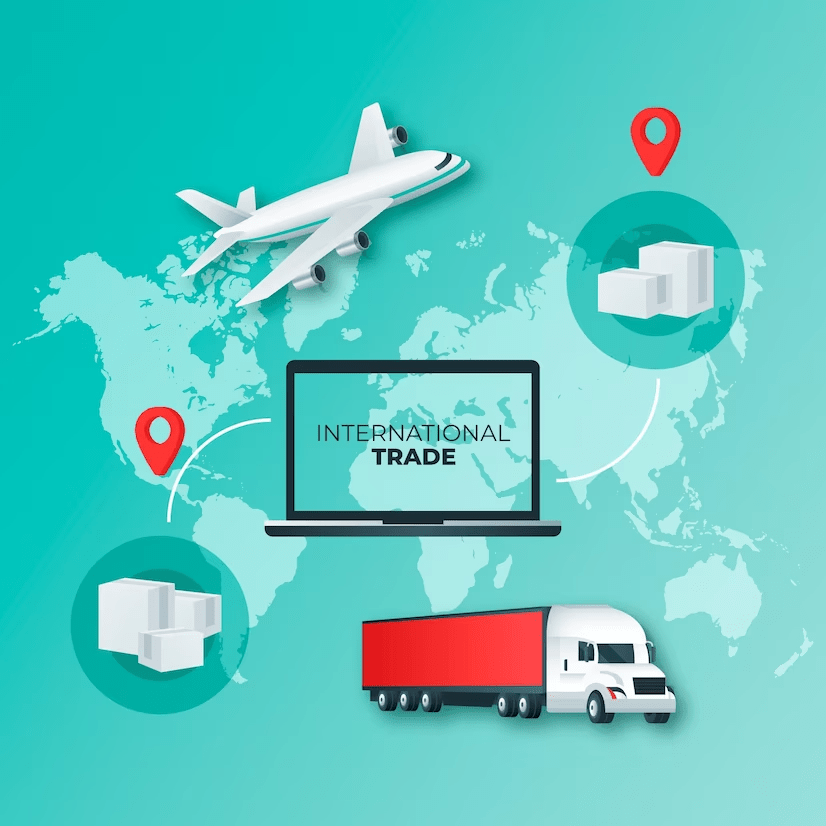
ChatGPT for Logistics: A Game-Changer
ChatGPT, powered by OpenAI’s state-of-the-art artificial intelligence, is not just your average chatbot. It’s a sophisticated language model that harnesses the power of natural language processing (NLP) and machine learning. In the logistics sector, where effective communication and data-driven decision-making are crucial, ChatGPT is making waves.
1. Real-time Communication
Efficient communication is the lifeblood of logistics operations. ChatGPT for logistics facilitates real-time communication between logistics companies, customers, and suppliers. It can handle inquiries, provide live shipment updates, and swiftly address issues, reducing the need for time-consuming phone calls and emails.
2. Inventory Management
Balancing inventory levels is a constant challenge in logistics. ChatGPT uses data analysis to optimize inventory by predicting demand, suggesting optimal reorder points, and minimizing the risks of overstocking or understocking. This results in cost savings and improved resource allocation.
3. Route Optimization
Efficient route planning is critical for reducing transportation costs and delivery times. ChatGPT factors in variables such as traffic conditions, weather forecasts, and delivery schedules to generate the most efficient routes. This not only saves time and money but also minimizes the environmental impact of logistics operations.
ChatGPT for Logistics: Embracing the Future
As logistics companies adapt to an ever-changing industry, integrating ChatGPT for logistics is a strategic choice. Its ability to streamline operations, enhance customer service, and provide data-driven insights positions it as a transformative technology.
In conclusion, ChatGPT for logistics is not just a chatbot; it’s a catalyst for change in supply chain management. Its capacity to improve communication, optimize inventory, plan efficient routes, and offer data-driven insights places it at the forefront of logistics innovation.
 Finance Zoe